Clinical Evaluation
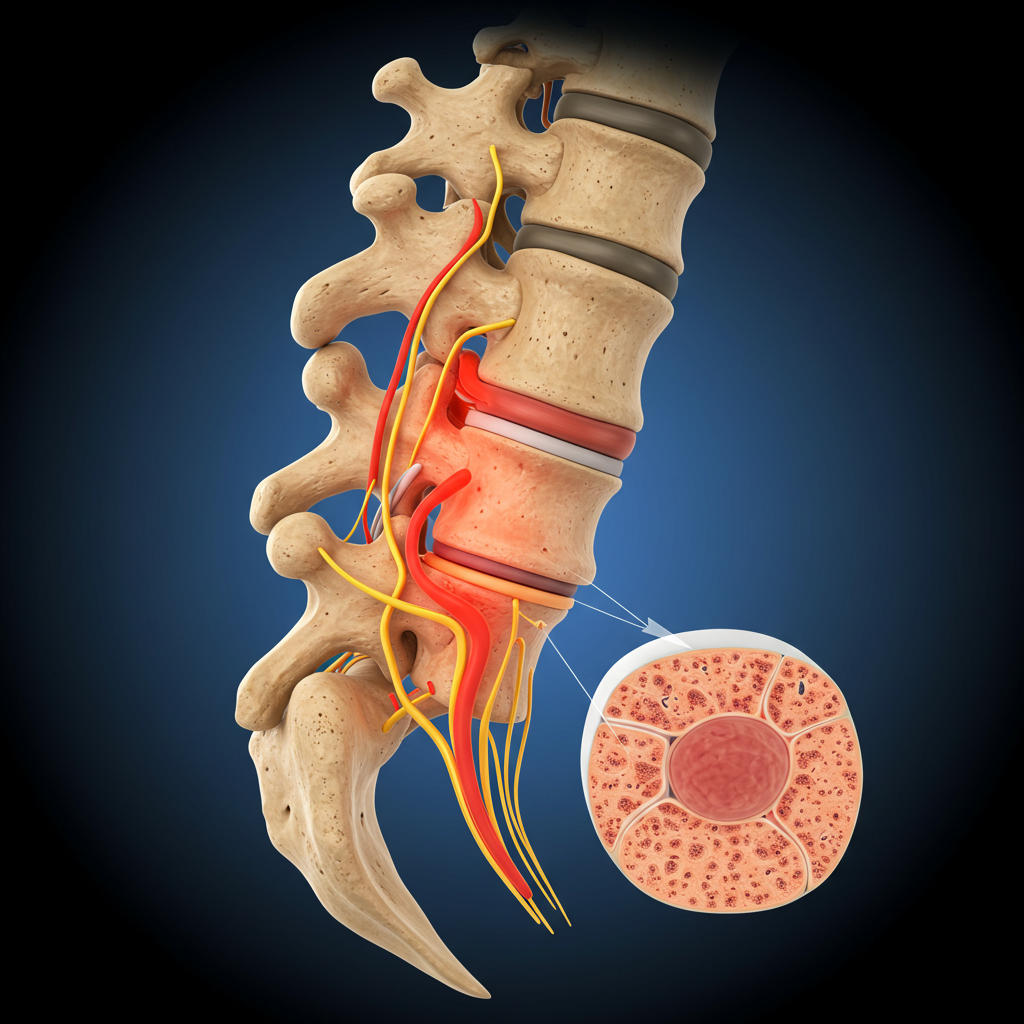
Accurate diagnosis is the foundation of effective spine care. A careful and step-by-step evaluation helps identify the true cause of symptoms and guides the most appropriate treatment plan. Your doctor will begin by listening carefully to your symptoms, including when they started, how they affect daily life, and what makes them better or worse. A detailed medical history is taken, including previous injuries, surgeries, medications, and other medical conditions. A physical examination follows, focusing on posture, spinal alignment, and range of motion. Neurological examination is an essential part of spine assessment and includes testing muscle strength, sensation, and reflexes in the arms and legs. These findings help determine whether nerves or the spinal cord are involved. This clinical evaluation often provides the most important information and helps decide whether further tests are needed.
Imaging Tests
Imaging studies are used to visualize the spine and confirm or clarify findings from the clinical examination. Not every patient needs imaging, and tests are chosen based on symptoms and examination results.
X-ray: X-rays show the alignment of the spine, bone structure, fractures, instability, and degenerative changes. They are often the first imaging test used and may be taken while standing or bending to assess movement-related problems.
Magnetic Resonance Imaging (MRI): MRI provides detailed images of soft tissues, including discs, nerves, ligaments, and the spinal cord. It is the best test for evaluating disc herniation, spinal stenosis, inflammation, infection, or tumors. MRI does not use radiation.
Computed Tomography (CT) scan: CT scans offer detailed images of bone anatomy and are especially useful for evaluating fractures, complex bone structures, or surgical planning. CT may be combined with contrast or myelography in selected cases.
Additional Tests (When Needed): In certain situations, additional tests may be recommended. These can include nerve conduction studies or electromyography (EMG) to assess nerve function, bone density testing for osteoporosis, or blood tests when infection or inflammatory disease is suspected.
Understanding Your Results
Imaging findings must always be interpreted together with symptoms and physical examination. Many changes seen on imaging are common with aging and may not be the source of pain. Your doctor will explain what the results mean for you and how they influence treatment decisions.