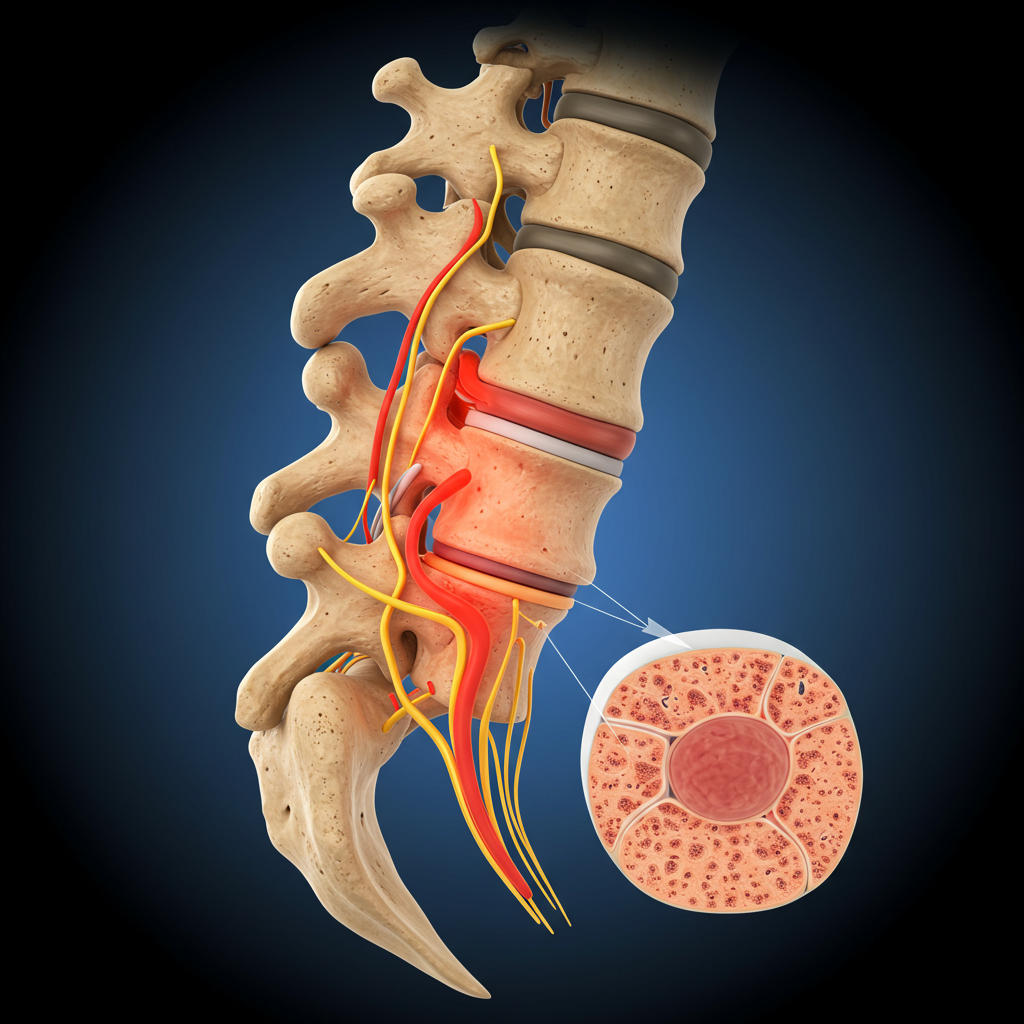
Recovery and rehabilitation are essential parts of spine care, whether treatment is surgical or non-surgical. The goal is not only to reduce pain, but also to restore function, confidence, and quality of life.
Early recovery phase: In the first days to weeks, the focus is on pain control, safe movement, and protecting the spine. Patients are encouraged to move carefully, follow medication instructions, and avoid activities that strain the spine. Education plays a key role during this phase.
Rehabilitation phase: Physical therapy is often introduced to improve flexibility, strength, and balance. Exercises are tailored to the individual’s condition, age, and treatment. Gradual return to daily activities helps prevent stiffness and muscle weakness.
Return to daily life: Most patients can resume normal daily activities in a step-by-step manner. Work, driving, and sports are reintroduced based on recovery progress and medical advice. Listening to the body and avoiding sudden overload are important.
Long-term spine health: Maintaining regular physical activity, good posture, a healthy body weight, and avoiding smoking all contribute to long-term success. Follow-up visits help monitor recovery and address any concerns early. Patients should contact their healthcare provider if they experience increasing pain, new weakness, numbness, fever, or difficulty with bowel or bladder control.