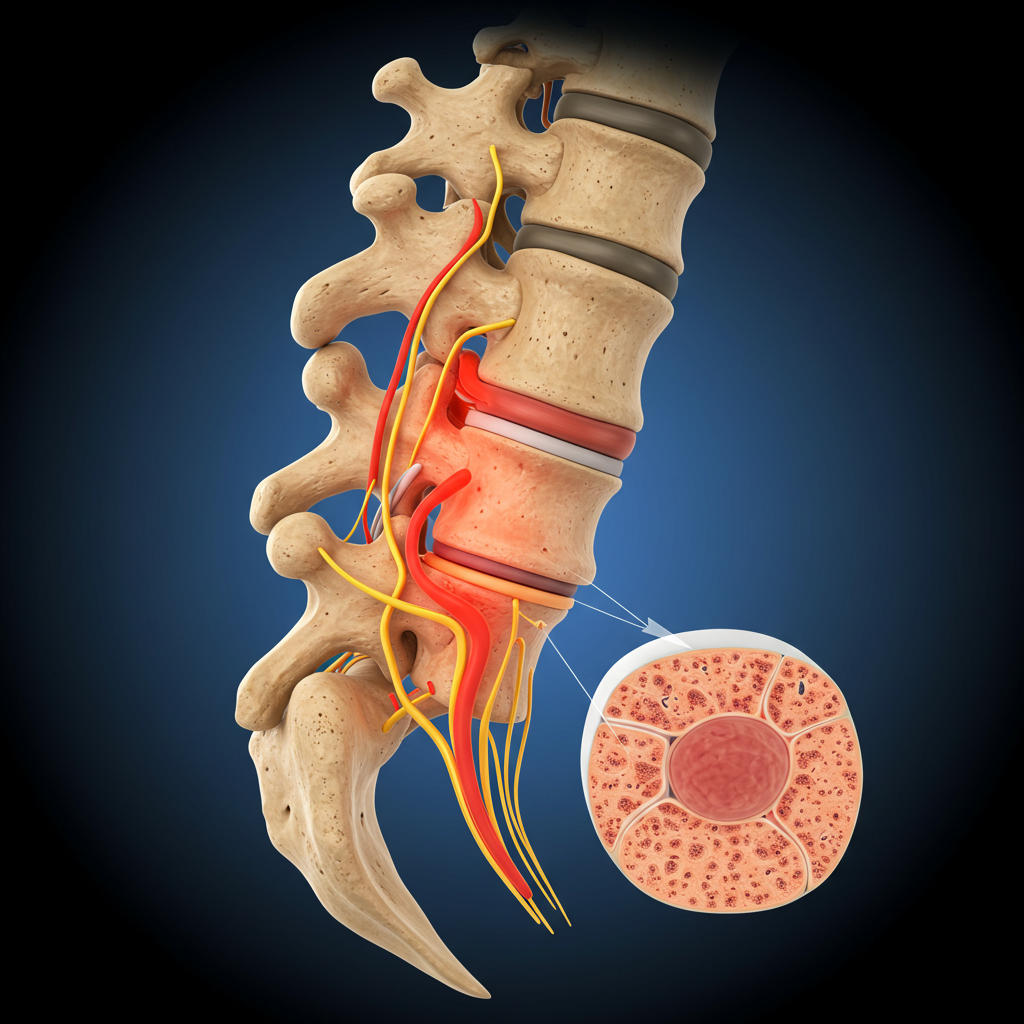
The patient journey describes the typical steps a person goes through from the first symptoms to long-term recovery and spine health. Understanding this journey helps patients feel more confident, informed, and involved in their care.
Awareness: Many spine problems begin with pain, stiffness, numbness, or weakness. At this stage, patients often try rest or simple pain relief. Knowing when symptoms are persistent, worsening, or affecting daily life is important in deciding to seek medical advice.
Diagnosis: During this phase, patients meet their healthcare provider for a detailed discussion of symptoms and medical history. Physical and neurological examinations are performed, and imaging tests such as X-rays or MRI may be ordered. The goal is to clearly identify the cause of symptoms.
Treatment: Treatment decisions are made together by the patient and the care team. Options are explained in simple terms, including expected benefits, possible risks, and alternatives. Most patients start with non-surgical treatments, while surgery is considered only when necessary.
Recovery: Recovery focuses on healing, rehabilitation, and returning safely to daily activities. Physical therapy, lifestyle adjustments, and follow-up visits play an important role. Long-term spine health includes maintaining activity, good posture, and healthy habits.