Treatment of spine conditions is always individualized. The main goal is to reduce pain, protect nerves, improve function, and help patients return to an active and fulfilling life. In most cases, treatment starts with non-surgical options, and surgery is considered only when necessary.
Non-Surgical (Conservative) Care
Non-surgical treatment is effective for the majority of patients with spine problems. These approaches focus on symptom control, healing, and restoring normal movement.
Medications: Pain relievers, anti-inflammatory drugs, and muscle relaxants may be used to reduce pain and inflammation, especially during flare-ups.
Activity modification: Temporary changes in daily activities help reduce strain on the spine while avoiding prolonged bed rest, which can slow recovery.
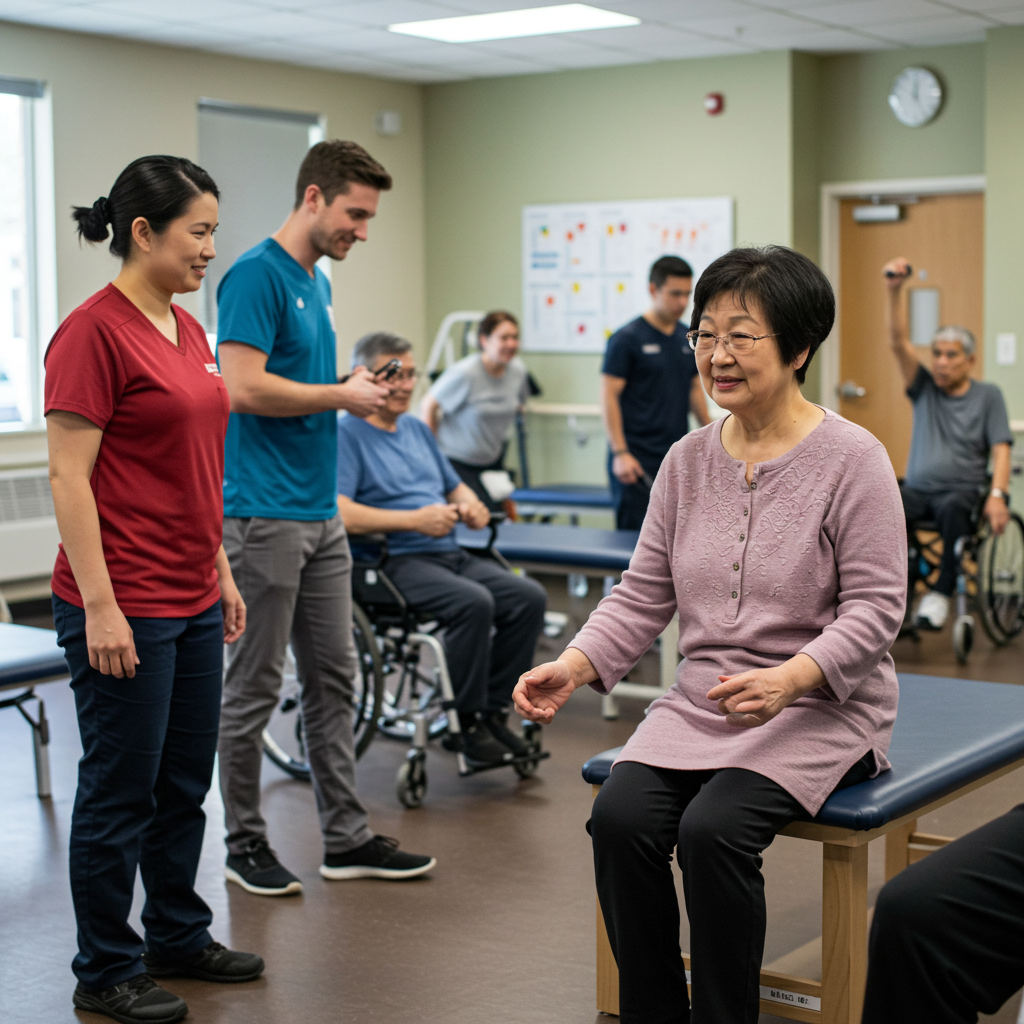
Physical therapy: A key component of treatment. Guided exercises improve strength, flexibility, posture, and spinal stability. Therapy also helps patients learn safe movement techniques.
Posture and ergonomics: Correct sitting, standing, and lifting habits reduce stress on the spine and prevent recurrence of symptoms.
Injections: In selected patients, spinal injections may help reduce inflammation around nerves and provide pain relief, allowing more effective participation in rehabilitation.
Lifestyle changes: Maintaining a healthy weight, staying physically active, avoiding smoking, and managing stress all contribute to better spine health and long-term outcomes.
Surgical Treatment
Surgery is considered when symptoms persist despite adequate non-surgical treatment, or when there is significant nerve compression, instability, or risk of permanent damage. The decision for surgery is made together with the patient after careful discussion.
Spine decompression: Surgical removal of bone or soft tissue that is pressing on nerves or the spinal cord, helping relieve pain, numbness, and weakness.
Spinal fusion: A procedure that stabilizes the spine by joining two or more vertebrae. It is used in cases of instability, deformity, or severe degeneration.
Disc replacement: In selected patients, an artificial disc may be used to preserve motion while relieving nerve pressure.
Fracture stabilization: Techniques to strengthen or stabilize collapsed vertebrae, often used in trauma or osteoporosis-related fractures.
Minimally invasive surgery: Modern techniques using smaller incisions, resulting in less tissue damage, reduced pain, and faster recovery for appropriate patients.
The aim of any surgical treatment is to improve quality of life, not simply to correct imaging findings.
Icon/Infographic suggestion: Surgery types overview diagram.